Elena Martinez
Designing a Calm Living Room
A practical editorial guide to a calm living room, focused on balancing comfort, circulation, and visual quiet without making the room feel empty or impersonal.

A thoughtful starting point for a calm living room
Successful a calm living room begins with a clear understanding of daily life. The aim is balancing comfort, circulation, and visual quiet without making the room feel empty or impersonal. Before choosing objects or finishes, define how the space should feel, function, and change over time.
Keep the primary circulation route clear
Anchor the room with one generous seating group
Use a restrained family of related colors
Layer soft light at several heights
These principles turn a broad design ambition into a practical filter. They help every later decision support the same atmosphere and prevent isolated choices from weakening the overall concept.
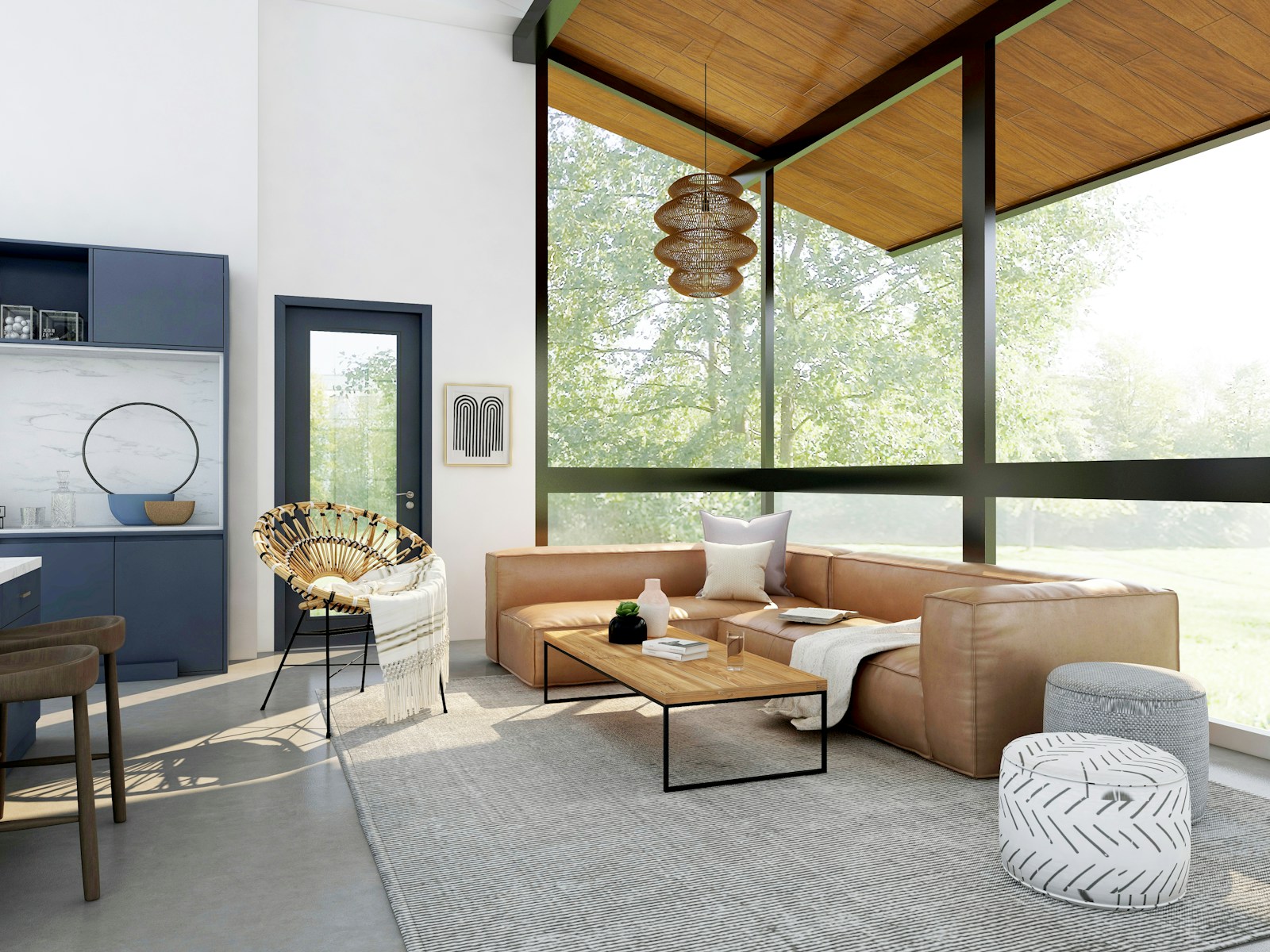
Reference images are most useful when read critically. Look beyond the styling and notice the proportion of solid to open space, the direction of light, the relationship between materials, and the amount of visual contrast.
A considered approach to a calm living room
A coherent result comes from sequencing decisions. Resolve planning and performance first, then establish the material language, and only then select furniture, lighting, art, and smaller details. This order protects both the budget and the original idea.
The most enduring spaces make a calm living room feel effortless because every visible choice is supported by a clear reason.
Consistency does not require repetition. A room can include contrast and character when its elements share an underlying logic of scale, tone, craftsmanship, or use. The goal is connection, not uniformity.
Four decisions that shape the result
Use the following sequence as a checkpoint during design development. Each stage should be resolved enough to guide the next, while remaining flexible until samples and real dimensions have been reviewed.
Map how people enter and move through the room
Place the largest furniture before adding accents
Test the palette in morning and evening light
Edit accessories until every object has a role
Materials and details
A focused palette might combine soft wool, washed linen, pale oak, matte ceramics, warm neutral paint, and woven natural fibers. Use physical samples wherever possible, checking color, sheen, texture, joints, and maintenance requirements in the actual light of the room.
Reviewing the finished space
Before calling the work complete, review the space at different times of day and during real routines. Adjust lighting levels, furniture positions, and small details first. Thoughtful editing often creates more value than adding another object.

Elena Martinez
Creative Director
Elena shapes the studio's creative direction, translating each client's vision into distinctive and enduring interiors.